The Green?Blue?Turquoise?Teal? Mme Pompadour gown painted by Boucher.
So many people have recreated this ensemble, and while they all have their merits, I need to be blatantly honest.
For myself personally, of all the recreations I've seen (those intending to be direct replicas) there is always something amiss.
Now you might be saying to yourself, "well that's rude of you to say. Someone worked very hard on that gown and you don't have the right...".
Wrong (along with the right of free speech), this is not a post to tear anyone down.
It's one to inspire. Each recreation I have seen of this gown has been great in it's own way, and a wonderful homage to it and the woman who wore it.
I merely have my own vision as to how to go about actually *replicating* such a gown, rather than making a version of it.

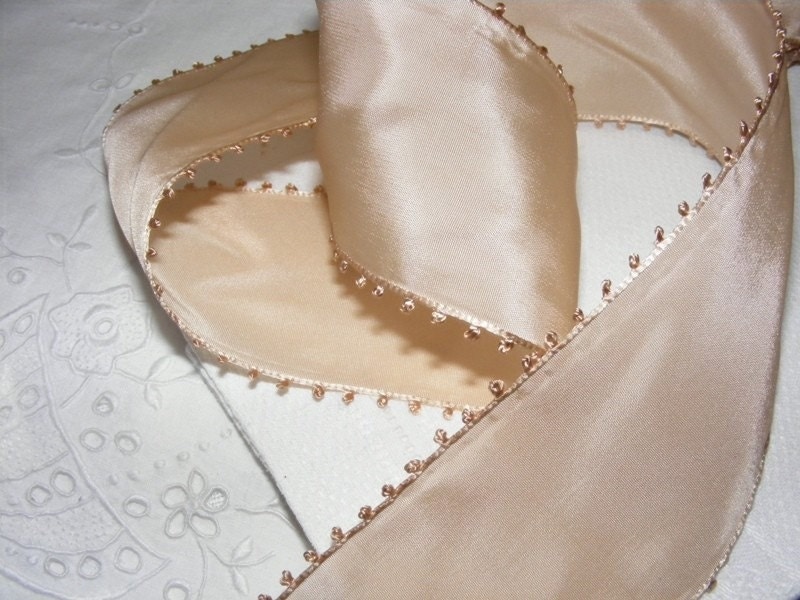
The ribbon will prove a challenge; taffeta with a spaced multiple satin stripe and pinked edges all around.
Hmmm...
***Ooh, Edit time! After closer inspection, it looks as though the ribbons actually have a picot edge instead of pinking. The ends do have it, with a double scalloped pinked edge. Looks like I'm going to need to get my man to make me some pinking tools...or at least show me how.
Hmmm...
***Ooh, Edit time! After closer inspection, it looks as though the ribbons actually have a picot edge instead of pinking. The ends do have it, with a double scalloped pinked edge. Looks like I'm going to need to get my man to make me some pinking tools...or at least show me how.
The one thing that has stood out the most when it comes to all the versions I've seen from other seamstresses, is the color and fabric choice.
It will vary from light as a pale blue, to a dark forest green, and everything in between.
Likely this is due to all the images available on the internet, many of which have poor color and resolution, and fail at representing the colors of the original.
My guess on the fabric? It was a bluish green silk taffeta, lighter than the dark green shades I've seen it made in, but definitely more on the green side. I can already tell you that I foresee many fabric swatches in my future.
One must see the actual painting to get an idea of what the true color of her gown was,
and even the color of the paint on the canvas will have changed a little over the centuries.
When will I be able to see this painting in person? Who knows, perhaps never.
I've traveled the globe and have seen nearly all Europe has to offer in its museums, but I somehow missed this particular one.
But, I can at least allow myself a few guesses in this project. Realistically, I won't be able to claim it as a perfectly exact replica if I do attempt it. The exact weave of the silk, the exact shade of the pink ribbon, the curves of the tiny petals on each miniscule rose.
There is simply no way, unless I had an unlimited budget to have these things custom woven and created by insane artisans throughout France and Asia.
The hardest part I think, will be the ribbon that adorns the stomacher and sleeves. But if I'm crafty, and I have a few ideas, I'll be able to have this gown quite close to hers.
The other fun part; recreating the set for the photo shoot ;-)